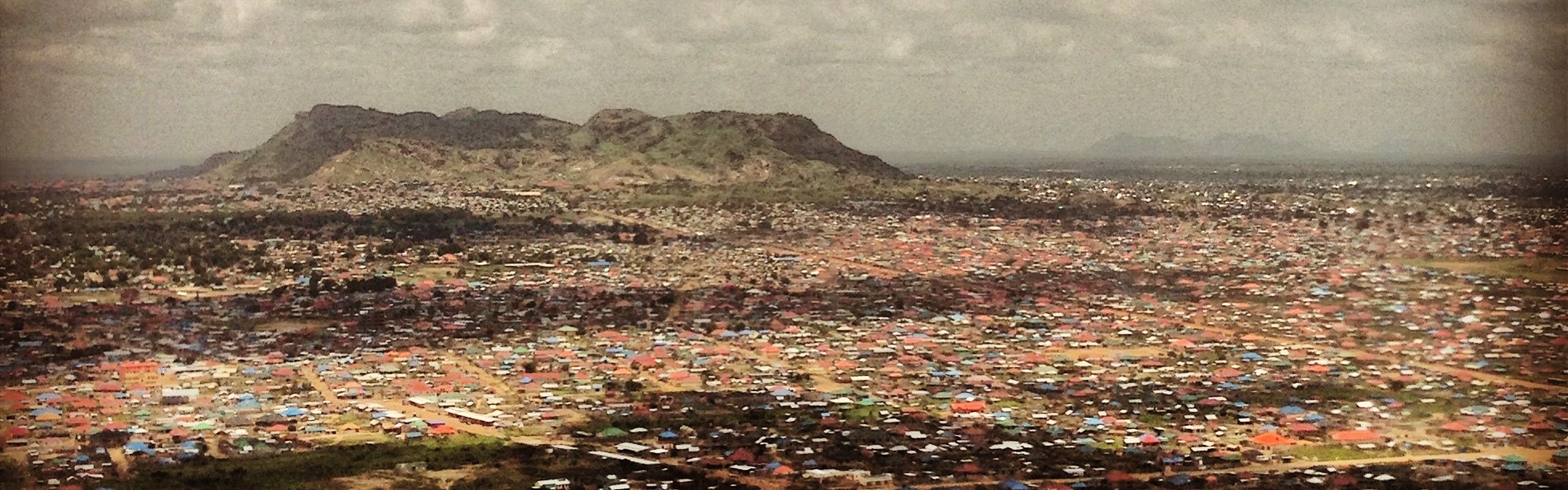

I used to believe the phrase “death knell” meant “death nail,” thinking it came from the final nail hammered into a coffin during burial. It’s interesting to learn that a death knell is actually the bell rung to signify a death. I remember as a child, my church would ring the bell when a member passed away, which always felt so touching. Reflecting on my own experiences in 2025, there are multiple times that I heard a death knell ringing in my ear. This year, we have come close to unfortunate disasters and life changing events.
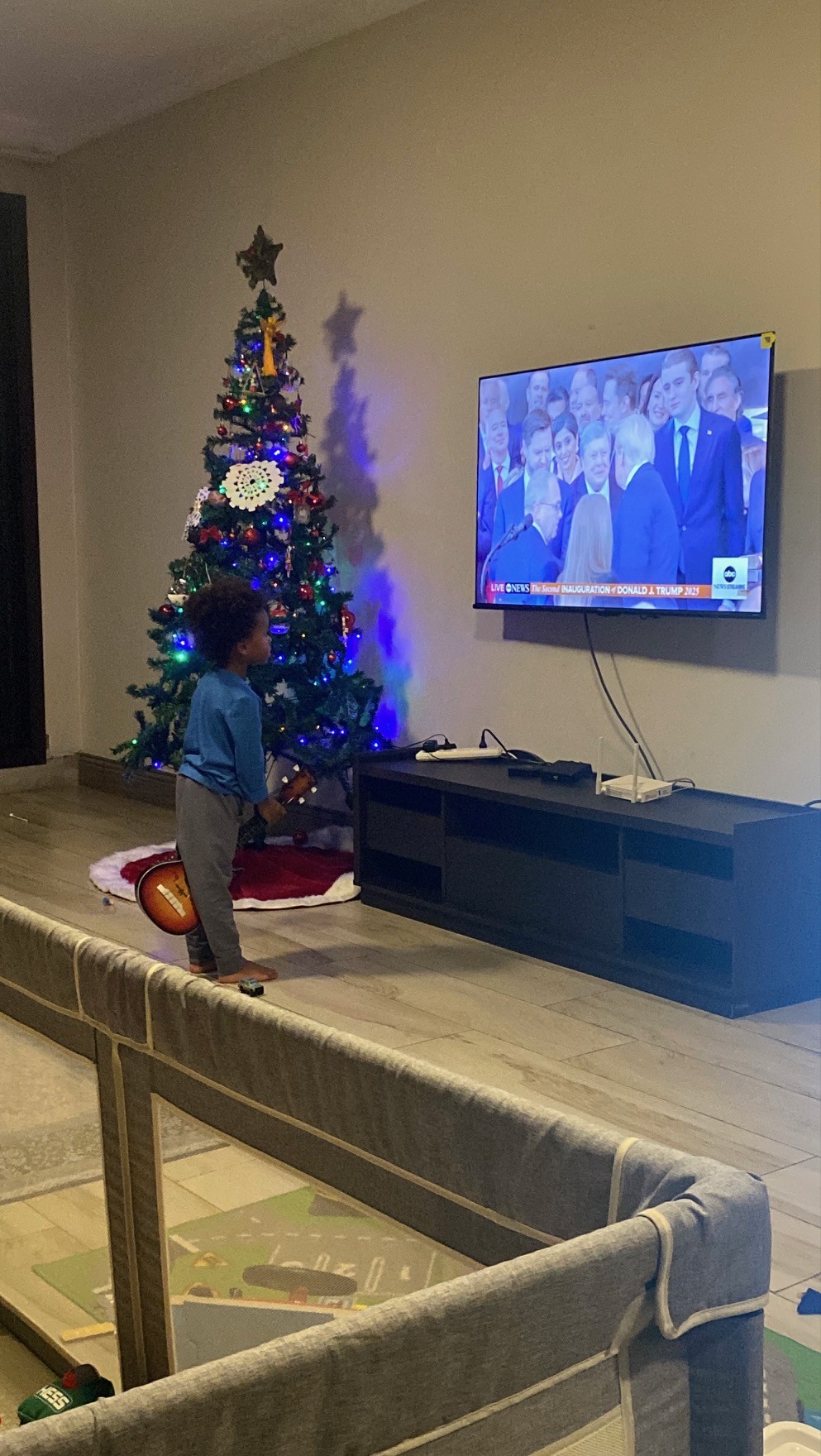
We arrived back in Dar es Salaam on January 20, inauguration day in America. Because of the time difference, we were comfortably back at home when the inauguration activities began. I turned on the TV so we could watch the process. After the swearing-in, we began our nighttime routines and prepared for bed. As I often do each morning, I wake up, I began to review the news from the previous night. Buried on The Hill’s website was an article saying Trump signed an executive order pausing foreign aid. I remember sitting up in bed and reading the article. I wasn’t sure how it would affect my organization, but I knew this was not good. I copied the link and sent it to myself to shared with others. Later that morning, I had a staff meeting with my colleagues from Tanzania and Zimbabwe, and I mentioned the article to them, saying, “DC is still asleep, so we don’t know how this will affect our work.” I told them that I would be talking with DC later that day.
In the afternoon, I had a call with my DC colleagues. As we were closing our meeting, I highlighted the article to my director and told her I know it’s early, but I just wanted to mention it. She said there was no word from the front office, but there would be an announcement later that day. I was preparing to fly to Zanzibar the next morning, so she told me to continue as usual. So after that call, I finished booking my trip to Zanzibar.
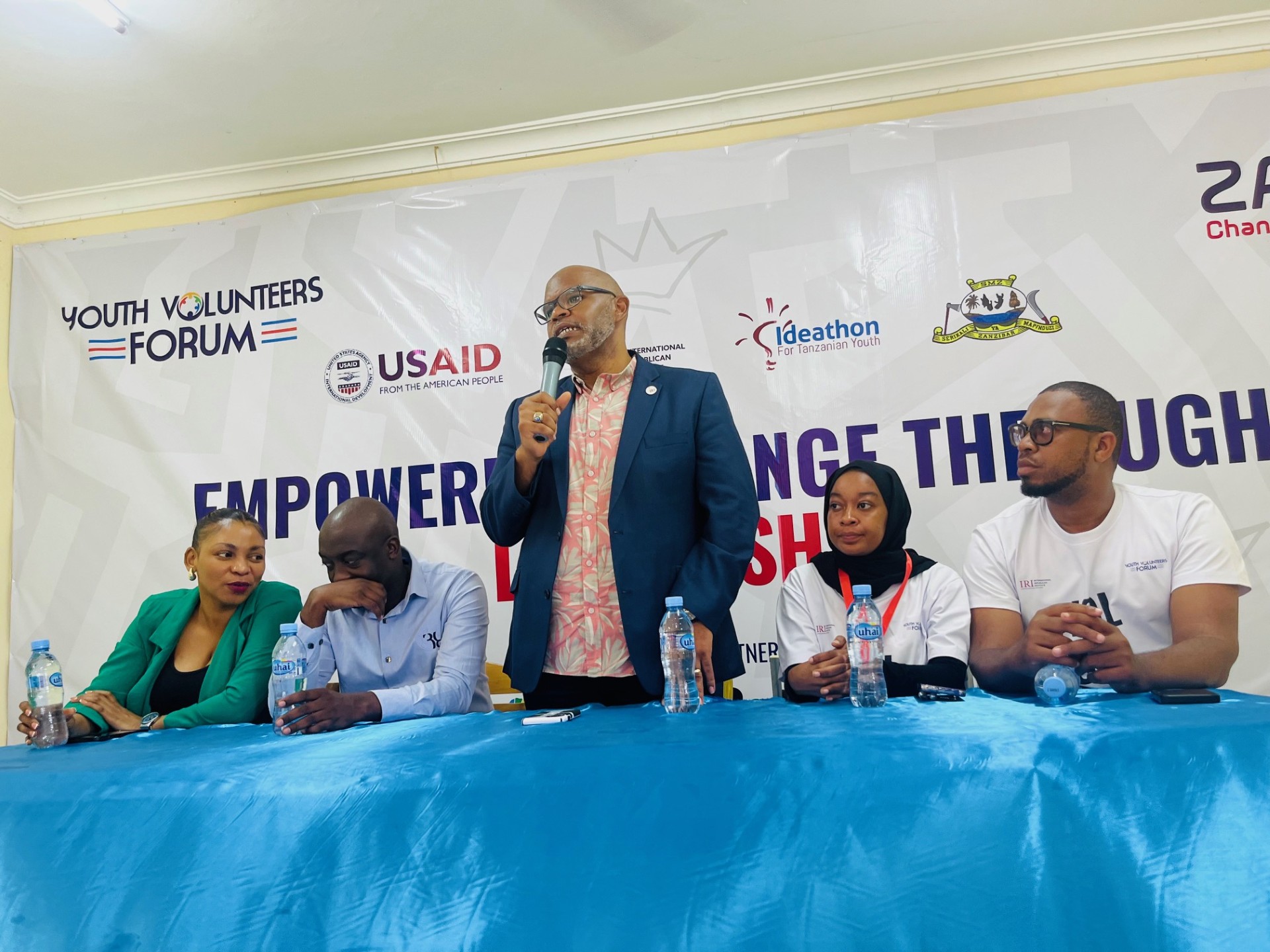
At 12:01 am on Wednesday, a notice was sent out from my DC office alerting us to pause program activity. My organization wasn’t sure whether the freeze on foreign assistance applied to new awards or to draw down disbursements (how we received money from the federal government). Only travel and activities approved by division leadership would be cleared to move forward. I was scheduled to arrive in Zanzibar seven hours later, so I began talking with my directors about the trip. After some back-and-forth, my trip was cleared at 3:44 am. Instead of sleeping, I prepared to head to the airport. We managed to hold our event, but we cut our trip short by a day and headed back to Dar es Salaam.
The messages I would receive from my organization over the following days would paint an unfortunate picture of chaos, confusion, and sudden developments that would lead to the a significant constraint in international development and the near collapse of my organization.
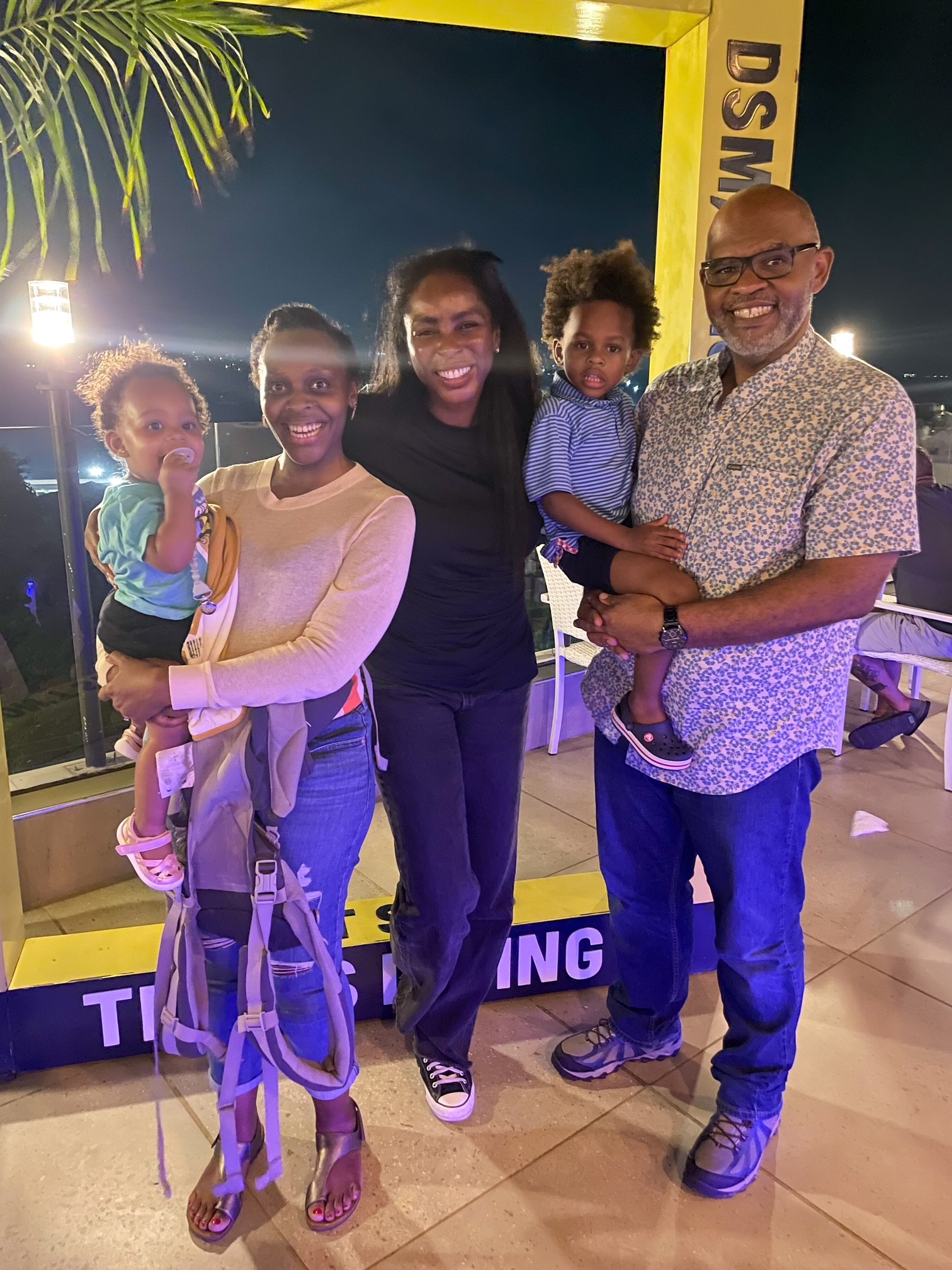
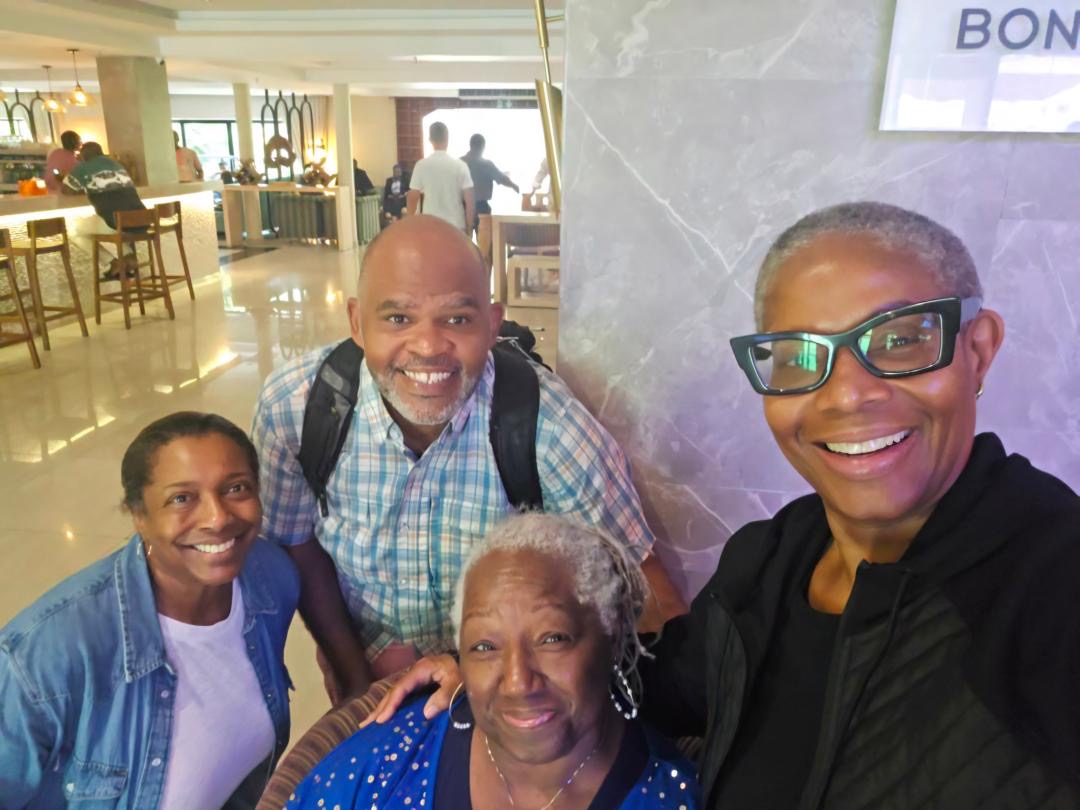
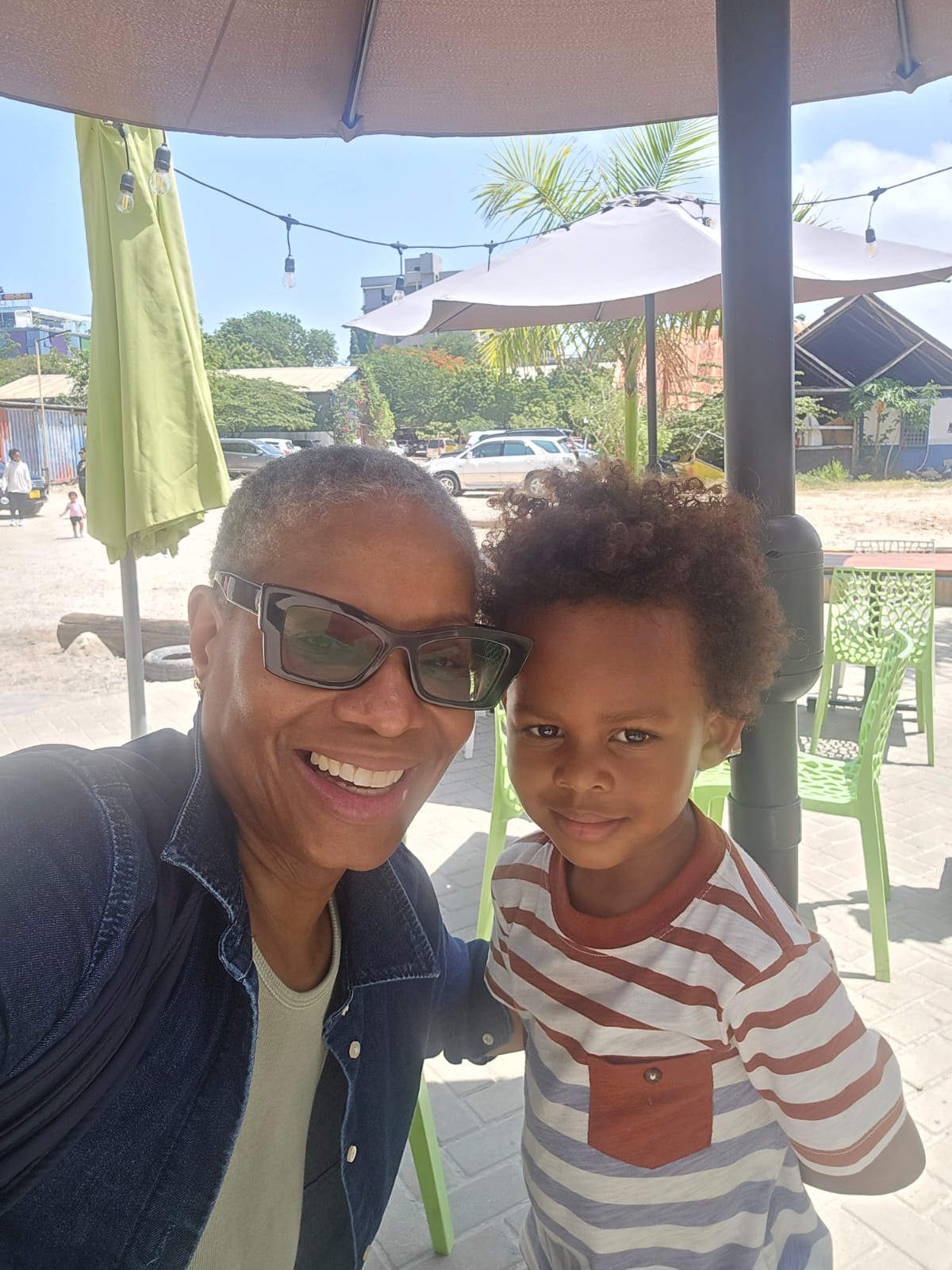
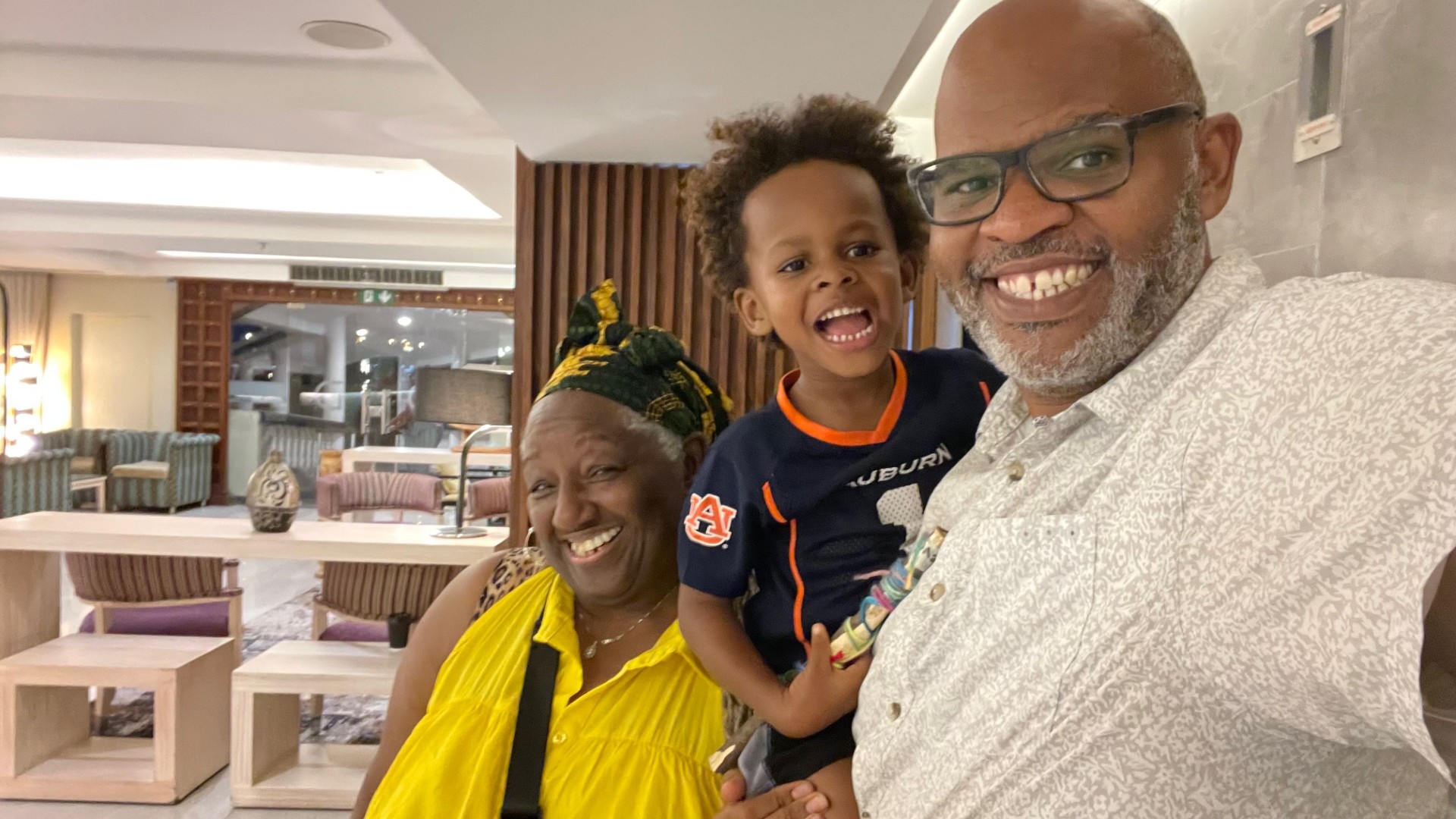
Despite the uncertainty surrounding events around us, we had visitors: cousins from the US and a special friend from Abuja, Nigeria. And as you know, we love visitors!

This year has been challenging to explain, filled with ups and downs that has tested our patience and resilience. While it’s tempting to express my frustration with strong language, I choose to reflect instead on the comforting words of the book of Psalms, which offer wisdom and solace in tough times. Wait for the LORD; be strong and take heart and wait for the LORD. (Psalm 27:14)
We began the year by celebrating cousin Marvin’s wedding to his lovely wife, Sandra. Marvin is Sheila’s first cousin on her mom’s side. I met Marvin in December 2015 when Sheila and I were passing through Washington, D.C., on our way back to the continent. At that time, he was living in Blacksburg, Virginia, finishing his studies. Our daughter and her first cousin (only weeks apart) got all dressed up for the wedding!


In January, Sheila and I embarked on a much-needed adult getaway to Cape Town. This trip marked the first time we spent several nights away from the kids, which was a significant experience for us. While it can be emotionally challenging to leave your kids, who may be sad at your departure and longing for your company, it’s essential to engage in activities without them occasionally.
Taking time for ourselves is important, even if it might seem trivial, such as enjoying a quiet moment in the bathroom or reflecting in the shower without interruptions. Often, when I’m finally alone, the peace is short-lived as I am quickly bombarded with questions as soon as someone outside the door realizes I’m not available. Overall, this trip was a valuable opportunity for us to reconnect and rejuvenate, with parenthood’s demands temporarily on break.
We decided to forgo Christmas expenses for ourselves this year and instead take a trip to Cape Town for New Year’s. Having lived in South Africa, we have developed a deep appreciation for this vibrant country, often called the “rainbow nation.” While South Africa has its own unique characteristics that set it apart from other African nations, it also grapples with ongoing racial issues, significant income disparities, and high crime levels. Interestingly, its social environment bears some resemblance to that of the United States. One notable aspect of life in South Africa is the prevalence of shopping malls, which play a significant role in the local culture and offer amazing restaurants.
We spent a considerable amount of our time exploring the picturesque Stellenbosch and Franschhoek regions, both renowned for their prestigious wineries and stunning landscapes. This area is celebrated not only for its exceptional wine production but also for its charming Cape Dutch architecture and vibrant culinary scene. The best time to visit Cape Town is during the Southern Hemisphere summer, from December to February, when temperatures range from 20 to 30 degrees Celsius (68 to 86 degrees Fahrenheit), offering warm, pleasant weather for outdoor activities.
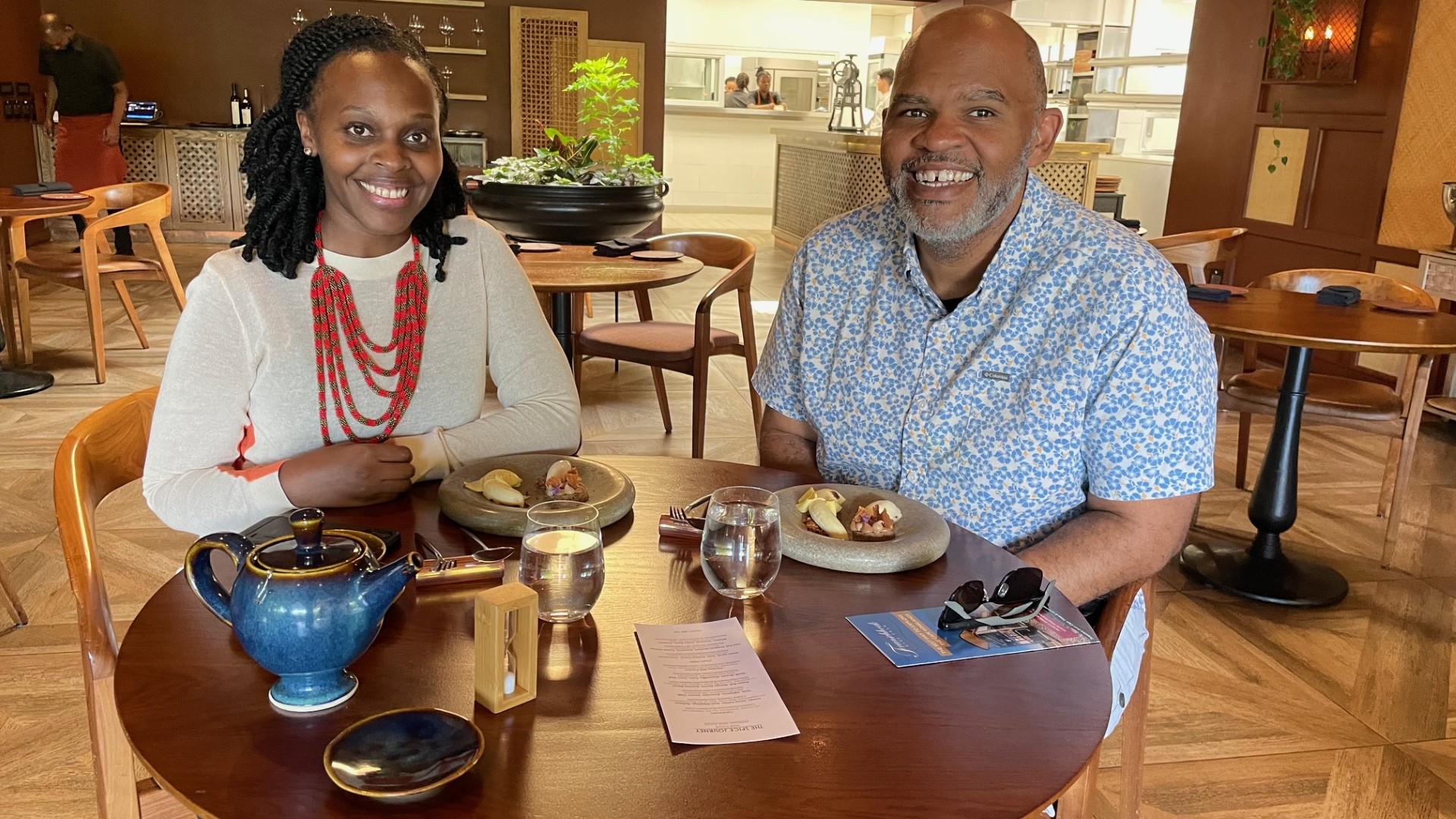
In contrast, our visit in June 2023 was marked by chilly temperatures, often dropping to 10 degrees Celsius (50 degrees Fahrenheit), along with persistent wind and rain that made outdoor excursions less enjoyable. Summer brings a lively atmosphere to the wineries, with many hosting events and activities that extend late into the evening. We took full advantage of this by enjoying leisurely evenings on the beautiful lawns, where we listened to talented musicians and savored an array of incredible wines, a delightful experience for me as a wine enthusiast.
Stellenbosch and Franschhoek offer much more than just wine tours. Visitors can enjoy olive oil tastings, sample a variety of cheeses, and even indulge in chocolate tasting experiences. Additionally, the region boasts a selection of excellent restaurants that serve a diverse range of delicious dishes. With a wealth of activities and attractions, there’s something for everyone in this vibrant part of South Africa.

After a refreshing break, we returned to Kigali, invigorated and eager to reunite with the kids as we geared up for our journey back to Dar es Salaam. Little did we know that our arrival on Monday, January 20, in Dar es Salaam would mark the beginning of a transformative period for the industry I work in. What happened that day forced us to rethink our plans and adjust to new situations. I shed a few tears, felt some anger, and endured moments of desperation. I look forward to sharing more about this crucial moment and its impact in Part 2 of our 2025 review. It truly was a rollercoaster of a year, and I am not sure we have even reached the station yet.
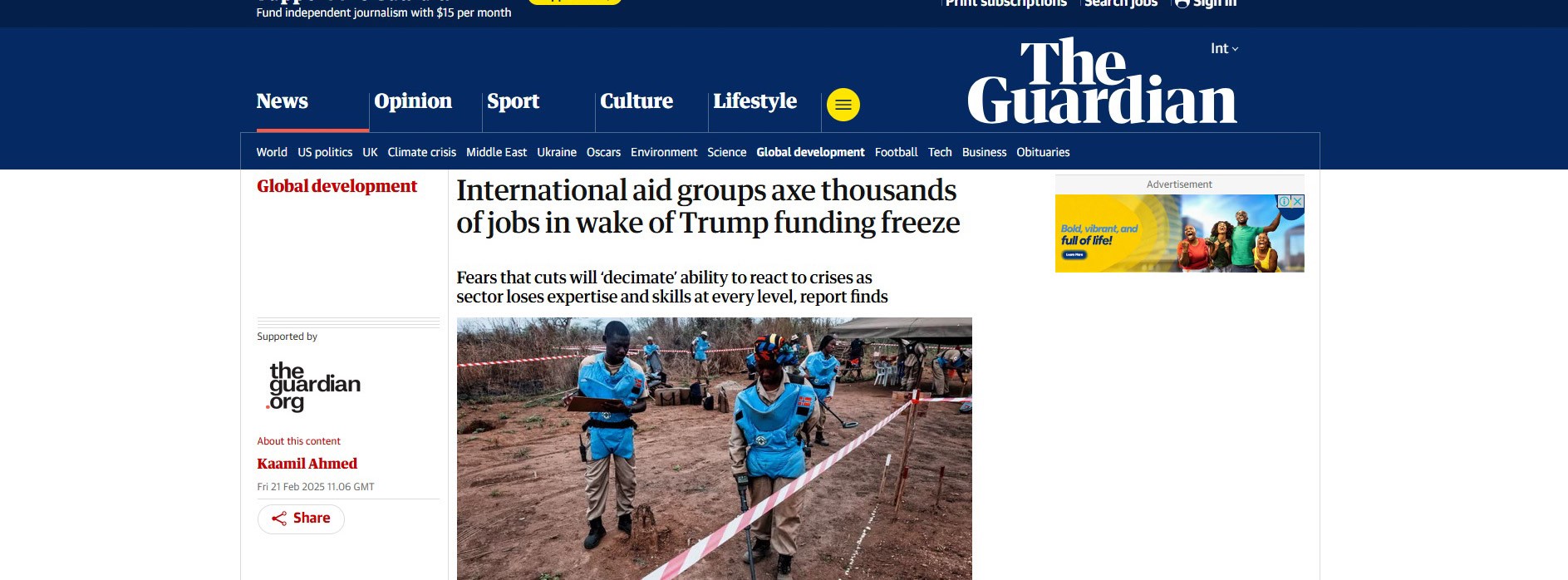
It has been a challenging five weeks as those of us working in organizations receiving funding from the United States Government (USG) have struggled to gain clarity about the future of our sector and whether we will have jobs in the coming weeks. Hundreds of headlines daily announce layoffs, furloughs, and organizations on the verge of bankruptcy. LinkedIn is a who’s who of those who have lost their jobs or been furloughed by international organizations receiving funding from the USG. Catholic Relief Services (CRS) recently announced a significant staff layoff due to ongoing financial challenges, explicitly citing its struggle to secure the necessary funding to cover its operational budget. Approximately 50 percent of CRS’s budget is derived from the United States Agency for International Development (USAID), and fluctuations caused by the stop-work order have strained the organization’s ability to maintain its workforce.
My organization faces the same funding fluctuations as CRS, and we have had our furloughs as we tried to weather this unexpected storm. This stop-work order has slowed our democracy/governance programs, and other critical services organizations are doing, such as food distribution, healthcare, and refugee support. Many of these organizations face the challenge of being unable to draw down budget obligations from the USG for expenses in December and January. In addition, we can’t get additional funds to cover basic costs such as staff salaries, and office leases. My organization has also disabled its website and now has a disclaimer: “Due to the U.S. Government freeze on foreign assistance disbursements, we have temporarily disabled our website to mitigate expenses. We hope to have our website up again in the future.”
I’m currently managing a team of 15 individuals across three offices in Southern Africa. I’ve tried to be present, honest, and composed for them as we navigate the uncertainties in the international development sector. However, it hasn’t been easy. There are days when I feel overwhelmed and anxious about our next steps and how to maintain consistency for my wife and two children. It’s a challenging journey…I can’t help but feel a deep sense of empathy knowing that there are tens of thousands of others who are going through the same challenges I am facing.
So, what is next…I have “safely” arrived at the fifth stage of depression, ACCEPTANCE. I have accepted that my time on the Indian Ocean is ending. Working with my organization over the past decade has been an incredible journey. When I first arrived in South Sudan in 2013, I was a different person—filled with optimism but uncertain about what lay ahead. Since then, I’ve had the privilege of engaging with diverse cultures, forging countless relationships, and facing challenges that have shaped my character. The experiences I’ve gained, from collaborating on governance projects to overcoming logistical hurdles in remote areas, have deepened my understanding of the complexities of this vast and diverse continent and transformed me into a more resilient and empathetic individual.
Several individuals have asked how they can assist us during this challenging time. While there may not be immediate actions to take, we kindly ask that you keep us in your thoughts and prayers. Specifically, we hope for:
- Resilience in our hearts as we navigate this tricky situation (We don’t want to carry anger and frustration with us about this situation).
- The ability to find joy in the paths we choose, regardless of the outcomes.
- A supportive community like the love and kindness we have experienced in Tanzania.
- For my staff, who will also be seeking new employment opportunities in a difficult job market.
- That the USG releases the money owed to organizations so that they can pay necessary expenses.

Today marks the 40th day of 2025, and I find myself yearning to rewind the clock back to 2024. In my previous entry, I confidently declared that we had navigated the challenges of 2024 with a sense of achievement, and we were eagerly anticipating the opportunities that 2025 might unfold. However, I must hit the brakes—stop the press! It feels as though time has warped in these past 39 days, compressing what should have been a brief chapter into a seemingly endless saga.
The sector I have dedicated the last twelve years of my professional life is crumbling right before my eyes. Each passing day reveals the stark reality of a landscape painted with uncertainty and turmoil. The once-vibrant international development sector I knew is on the brink of disintegration, and I can’t help but ponder what will emerge after April 2025.
I won’t dive deep into the politics of the international development sector, but I can’t help feeling disheartened by how it’s often treated. It seems like everyone has their “Boogeyman,” and for 2025, that’s sadly become international development. Reflecting on my journey, I realize I stumbled into this field, but deep down, I always felt I was preparing for a role beyond the borders of the United States. For a long time, I wasn’t sure what serving outside my homeland would look like, but I knew that was where I was headed. I often share with the young men and women I mentor that life is all about the experiences we gather along the way. Those moments and lessons genuinely matter, even more than reaching the final destination.
This week, my organization, along with many others, faced the very challenging decision to place dedicated staff members on leave without pay. This was done in hopes that our financial situation would improve, allowing us to bring many of these valued individuals back after a 90-day review. The abrupt halt in foreign aid funding has severely impacted our ability to fulfill essential payments to vendors, contractors, and our staff. It’s a difficult situation; many of us feel we’ve been stranded, away from our support networks. The sense of helplessness is overwhelming as we strive to provide encouragement to staff and partner organizations whose livelihoods depend on these critical salaries and funds.
I recently shared with a friend that this isn’t the first time I’ve faced a layoff; it’s the third time. The first was after my boss lost reelection (2003), then again when Congress implemented sequestration (2013), and now with the current reorganization of US foreign assistance that funds my organization. It’s been a challenging few weeks, and I truly empathize with others navigating similar experiences. I genuinely believe that there will be joy no matter what challenges arise. The first layoff opened a door for me to move to Washington, D.C., and the second layoff transformed me into a global citizen. A friend once joked, ” You must be the most cultured American.” This comment made me laugh because there are numerous Americans in the more remote places compared to me. But he was commenting on my travels around the continent and my knowledge of what is happening there. Since relocating to the African continent in 2013, I have experienced incredible adventures. This period of uncertainty and turmoil is temporary; the relationships I’ve built while living across this vibrant continent will stay with me for a lifetime.
Even though there are plenty of funny memes on Facebook showing people with black eyes after making it through 2024, I’ve got to say, we had a pretty great year! Sure, we faced our fair share of challenges, just like everyone else navigating the ups and downs of 2024. But I genuinely believe we came out stronger by the end of it all. Let’s look at some examples that show just how far we’ve come!
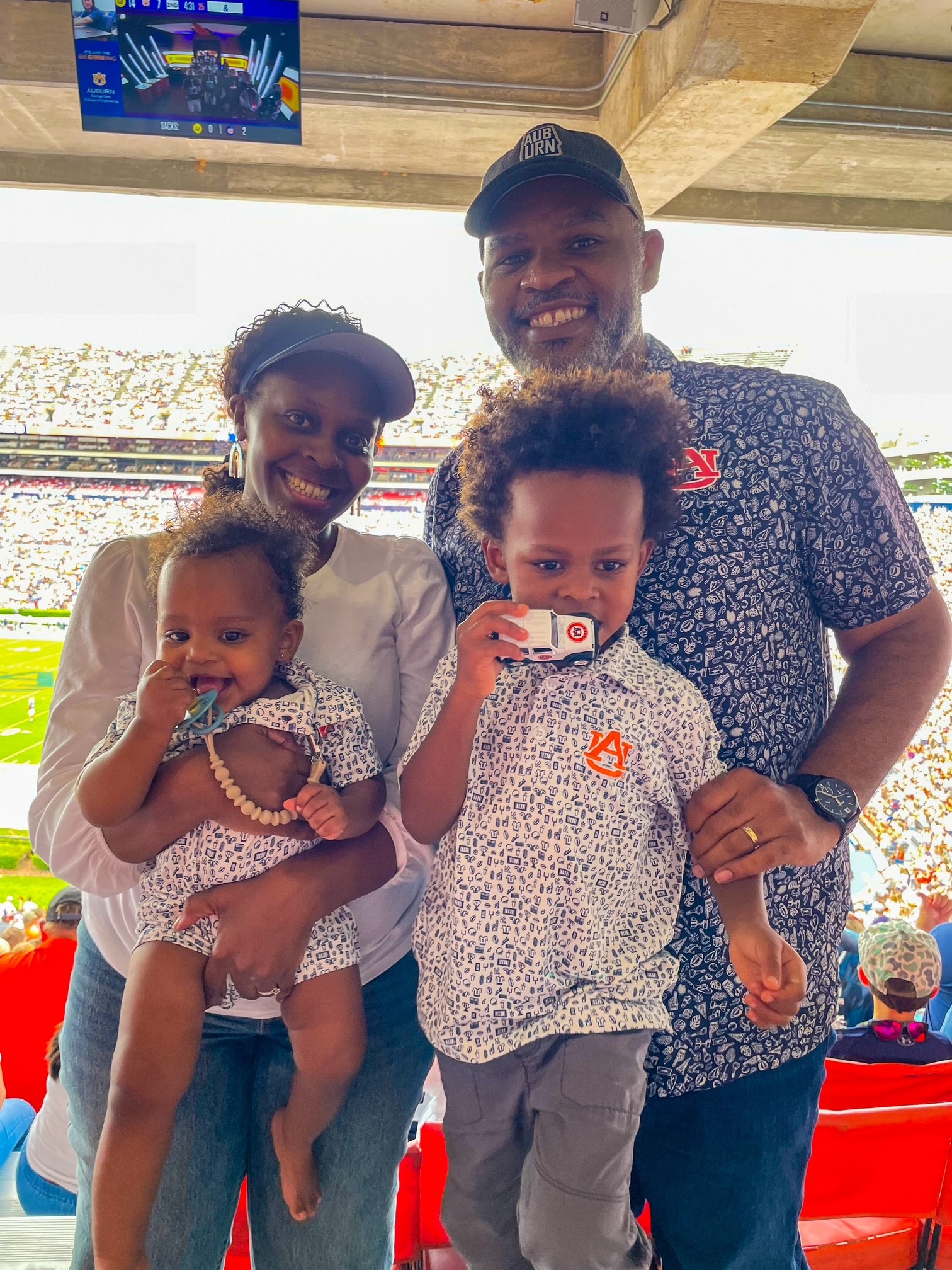
We kicked off the year by welcoming our second little bundle of joy, Charlotte Faye to her new home in Tanzania! What a wonderful addition she has been to our family! Charlotte is such a lively spirit who loves meeting new people and keeping herself entertained. It’s hard to believe she turned one in October! She’s already walking and starting to talk. She has her go-to phrases but communicates so well that you always know what she needs, even without words. She’s quick to let us know when her diaper is full! Honestly, she lights up every room and is often the life of the party!

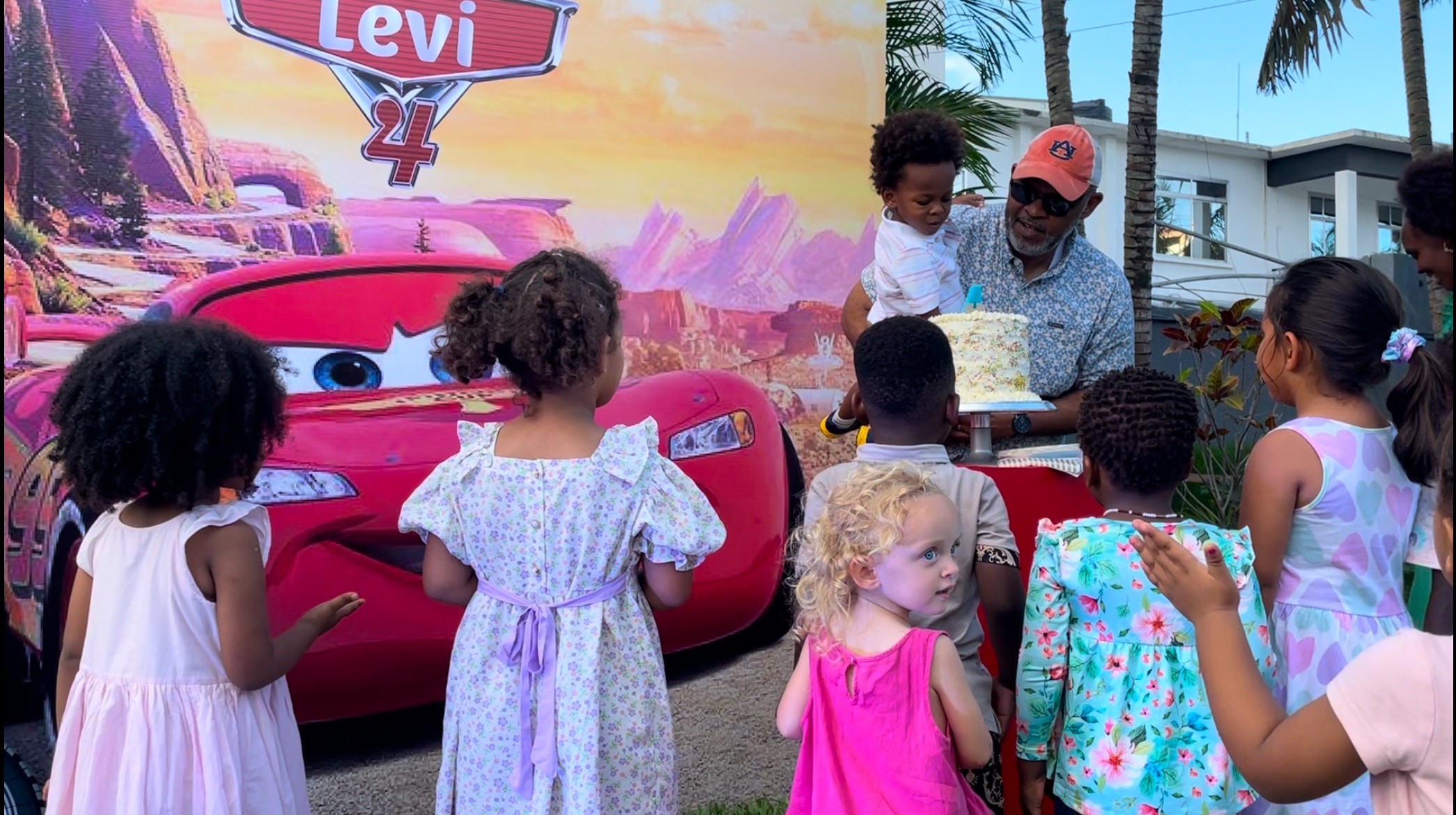
Levi just turned four this year, and he’s absolutely loving his school and all the friends he’s made! It’s like a little United Nations, with kids from almost every continent. His closest pals come from six different nationalities! Levi keeps busy with swimming lessons and piano lessons, and he plays football (soccer) two nights a week. What an exciting (and exhausting) schedule he has!
Sentell continues to steer his Tanzania office, a vibrant team of seven dedicated individuals working collaboratively to strengthen election integrity and build the leadership skills of future leaders. Recently, he has taken on expanded responsibilities, overseeing programs throughout Southern Africa, which includes offices in South Africa and Zimbabwe. In this expanded role, he gets to make a real impact by driving and rolling out exciting strategic initiatives across various areas. This helps encourage growth and spark innovation in all these important spaces!
Sheila is deeply involved in her church community, juggling various responsibilities that keep her schedule packed. Together with a team of ladies, she is actively coordinating multiple women’s events as well as manages the parent volunteer schedule for the Sunday school, ensuring that each class is adequately staffed. On top of that, she is involved in the process of building a couples’ ministry that strengthens relationships and promotes healthy communication among couples in our church community. Simultaneously, she is also managing Levi’s busy playgroup schedule, making sure he has ample opportunities for engaging activities and playdates.
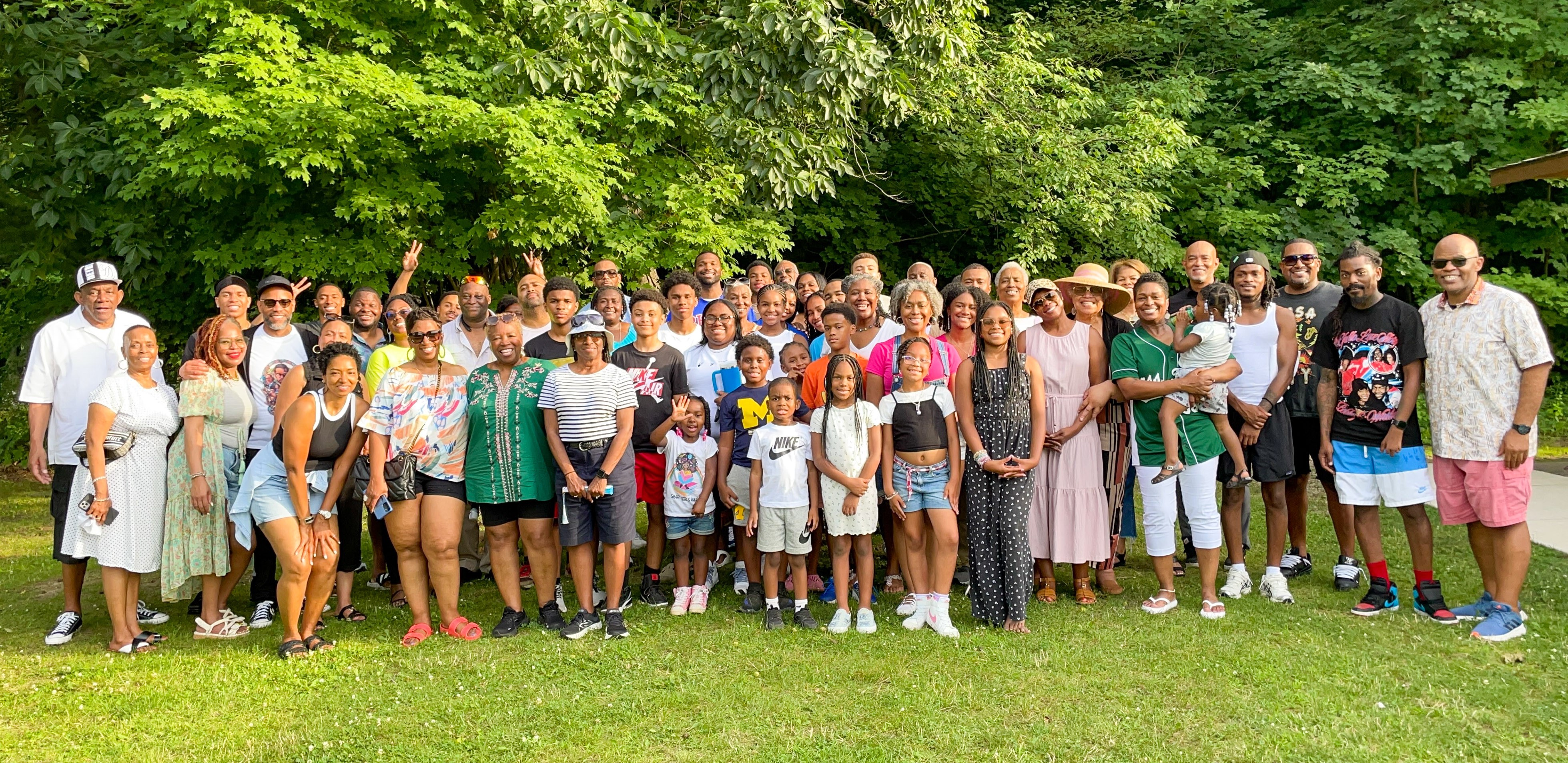
Earlier this year, we had an incredible adventure in Kenya, getting up close and personal with the majestic giraffes and elephants! Sentell also attended a family picnic in Detroit, Michigan, where he reconnected with cousins he hadn’t seen in years. In August, we headed back to the US for some quality home leave. It was such an exciting time as we helped Sheila’s cousin settle into her dorm at Middlebury College in Vermont. We also caught up with friends in the DMV and enjoyed some fun family time in Alabama, where Levi and Charlotte Faye had a blast hanging out with their cousins. To wrap up the year, we traveled to Rwanda and Uganda to celebrate a lovely family wedding in western Uganda.
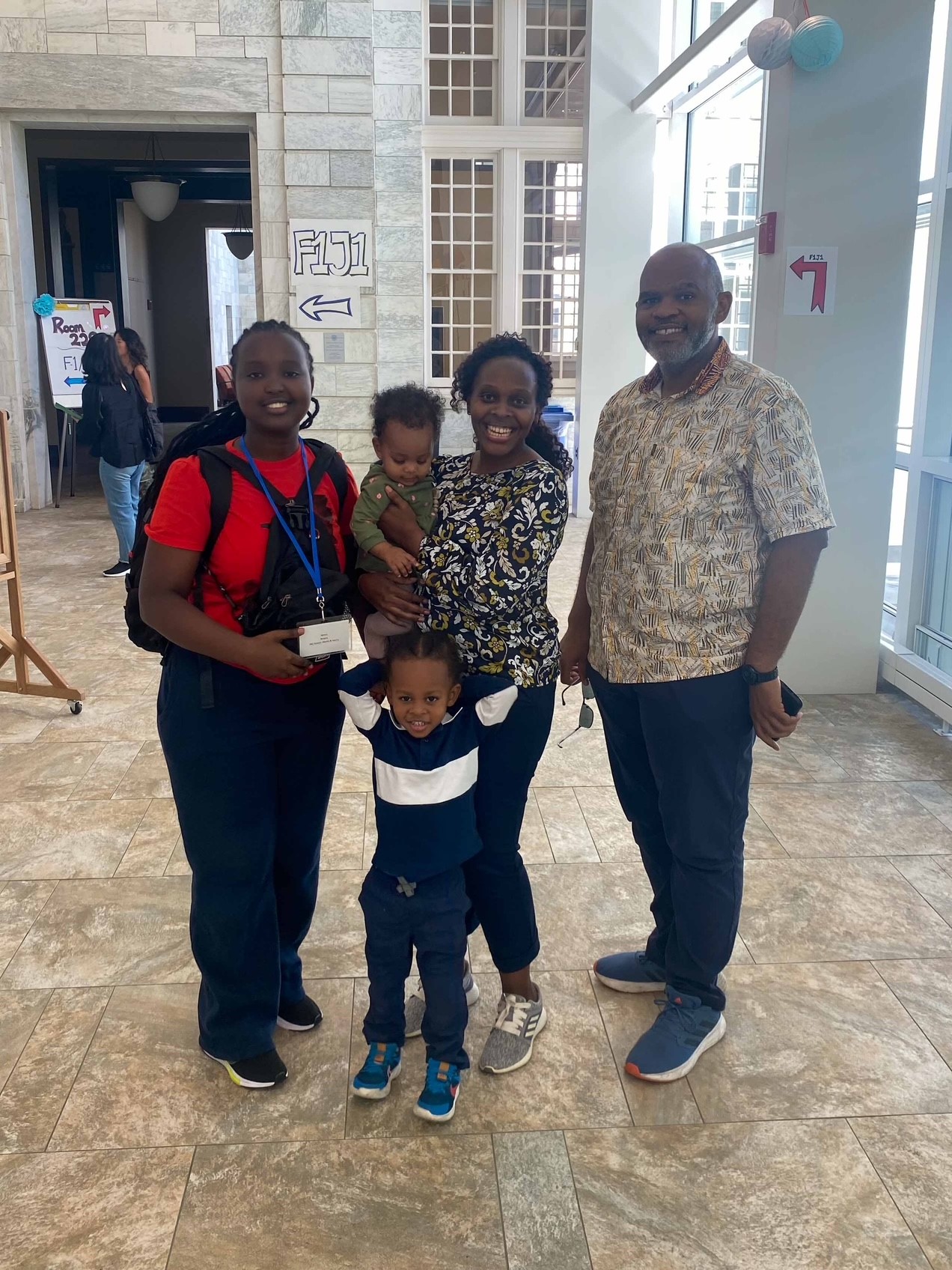
What a wonderful year filled with memorable moments! We look forward to what 2025 will bring as we settle into our third year in East Africa!
As a child, my mom set up bulletin boards in the school hallway that changed every month, often reflecting a holiday or theme for the month. In March, she stuck to the same theme every year: “March comes in like a lion and goes out like a lamb.” For those unfamiliar with this saying, it implies that if the weather is terrible at the start of March, it will improve by the end of the month.
Interestingly, this phrase also described the arrival of our two children. Our son Levi arrived like a lion after Sheila endured nearly 24 hours of intense labor both at home and at the hospital. We arrived at the hospital at 1:00 am on October 5, 2020, and Levi was born at 12:29 pm that day. On the other hand, our daughter Charlotte Faye arrived like a flash of lightning. She was born about one hour and 15 minutes after we reached the hospital. If we had delayed going to the hospital any longer, it would have made for an incredible blog post!
On Thursday, October 12, Charlotte Faye’s actual due date, Sheila began to experience labor pains. Around midnight, we were advised to go to the hospital. As a good husband, I was asleep and had to jump up and scramble around the house to gather the last few items before we could leave. By 2:00 am, we were in the car and speeding our way to the hospital. I lapsed back into my Nigerian driving days to “beat” (run as we Americans say) the traffic light. At 2:28 am, we were at the Emergency Room at the hospital. I parked the vehicle at the door of the Emergency Room and rushed in to start the paper work. The receptionist began asking all the important questions for Sheila’s intake. She asked me how far along my wife was…I looked at her and said, “I don’t know! Earlier today she was in a little pain and now she is in a LOT OF PAIN.” At that time, Sheila entered the hospital door and could barely stand. She leaned against a large trash can, which if you know Sheila, she would never do, and began to experience more labor pains. Before I could turn around and continue the conversation with the receptionist, she was racing in the corridor with a wheelchair. And as I have said, by the time we could settle in the delivery room, the baby was making her entrance into the world! Our family of three was now a party of FOUR!
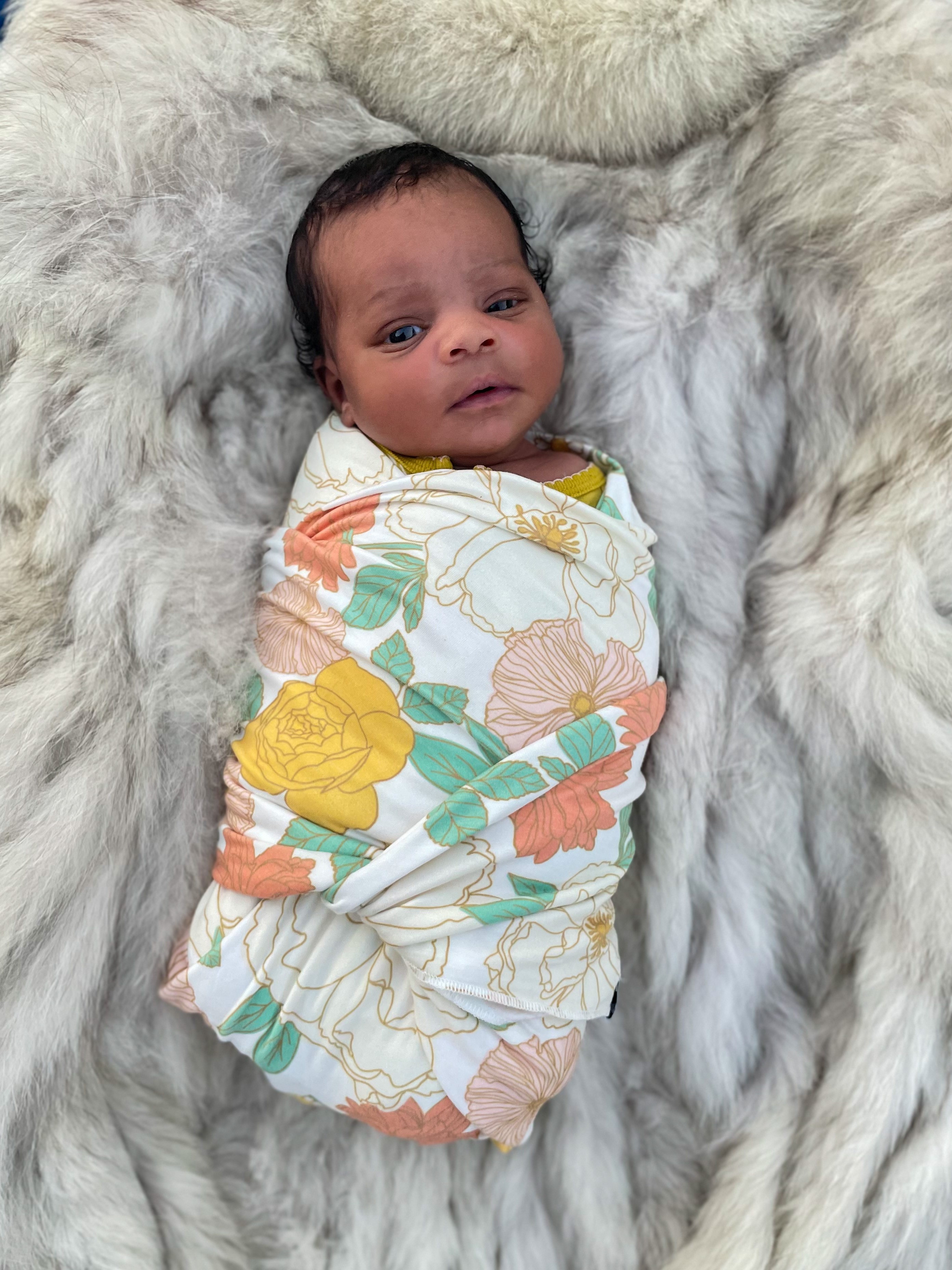
Charlotte Faye Iratangaza Barnes was born on October 13, 2023, at 3:40 am at the Mobile Infirmary Hospital. She weighed 7 pounds and 4 ounces and measured 20 inches in length. It’s worth mentioning that her father (1979) and Levi (2020) were also born in the same hospital. Charlotte has brought immense joy to our family, and we are thrilled to have her as our newest addition. Although we’re a bit sleep-deprived and busy with Levi’s school rounds, we couldn’t be happier to welcome her to our family. We look forward to Levi becoming a loving and supportive big brother while Charlotte Faye adds her unique personality to our family. She is named after her two grandmothers, Charlotte for Sheila’s mother and Faye for my mother. Iratangaza means He (God) declares/amazes. And Barnes is my father’s surname. This name had deep roots in America’s slave holding history but has been traced back to the late 1700s.

This month, I celebrated my ten-year anniversary of living in Africa. It’s incredible to think that a decade has passed since I left my Washington, D.C. apartment and settled down in Juba, South Sudan. So much has happened in the past ten years – I’ve lived in four different countries on the continent, became a Country Director in 2015, tied the knot with Sheila in 2016, and welcomed Levi into the world in 2020.
I had a conversation with a former colleague from my time at the American Bankers Association (ABA) before departing for South Sudan. He asked me when I planned on returning to the United States, to which I replied in two years. He looked at me and predicted that I wouldn’t come back. I laughed at his premonition, thinking it was unlikely. However, he explained that those who leave the country for professional opportunities often find new opportunities that keep them from returning to the United States. As it turns out, he was right. It’s been ten years, and we still don’t know when we’ll return. Before joining IRI and moving to South Sudan, I struggled to find a job. My former boss at the ABA even told me that he thought I would be in Africa by now.
As I was going through my first-anniversary blog, I came across a statement where I had mentioned that I was eagerly anticipating my move to South Sudan because the past six months had been quite turbulent as I was unemployed. Someone had chuckled on hearing this and said that not many people moved to Africa with the intention of finding stability.
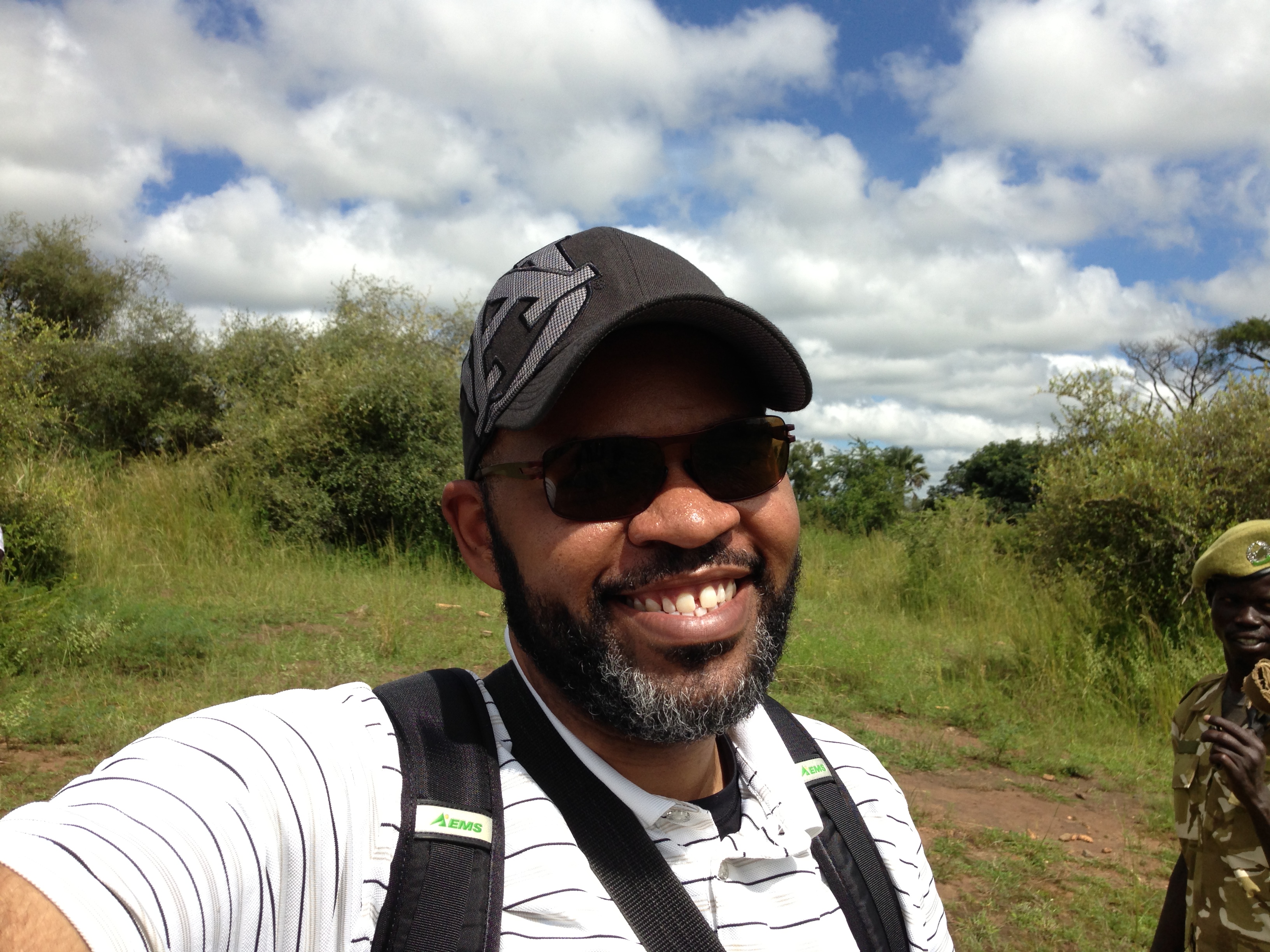
Recently, my doctor in Mobile, Alabama asked me if I enjoy living outside of the United States. I replied with a yes, as I have grown accustomed to my life outside of the country. Although there are many things I miss about living in the United States, such as the box supermarkets that offer a wide range of food, the massive freeways that allow for easy travel throughout the country, the over-the-top American holidays with lots of food, and the proximity to my family. Despite being lucky enough to visit my family twice a year in the United States, I am unable to participate in many of their small milestones. However, I have become a global citizen and have come to appreciate the communal and relaxed nature of people on this continent.
I often reflect on the day I arrived in Juba, South Sudan. I was uncertain of what to expect and if I would make it through the month. Unfortunately, after only six months in the country, I had to evacuate. I returned to Washington, D.C. a few months later, but this time, I didn’t have a home in the city. I worked from a makeshift desk in an office that was relocated every two weeks since I was sitting at someone else’s desk. Despite my lack of stability in South Sudan, I found it in Nigeria of all places! I lived in the same apartment for five and a half years.
As I celebrate my ten-year anniversary on this continent, I will use my blog to reflect on how my perspective towards the United States and the world has evolved over time. Additionally, I’ll share my experiences of settling down as a family and raising a child in different countries.
Three days after the citizens of Nigeria went to the polls to cast their votes for the next president, results are still filtering into the Independent National Election Commission (INEC). Results have been slower than expected because the Bimodal Voter Accreditation System (BVAS) and INEC Election Result Viewing Portal (IReV) failed or was not used to record votes. BVAS and IReV were created to enhance the transparency of election results and instill public trust in the election outcome.

Graphic from Premium Times – www.premiumtimesng.com
But even before results were recorded, INEC struggled to start election day on time. Many polling units did not open on time, and the large number of voters at polling units overwhelmed INEC polling unit staff. According to Yiaga Africa, an NGO in Nigeria tracking the election process, only 41 percent of polling units in the country opened by 9:30 am, an hour after the scheduled opening of polls. A friend, who was broadcasting on Instagram from her polling unit in Abuja said that election staff and materials arrived after 10:30 am. The late start of her polling unit created significant delays in citizens trying to cast their votes. Voting went well past the 2:30 pm closing time due to the late openings of many polling units.
Unfortunately, there were numerous accounts of violence across the country. A photo that went viral on Twitter and other social media platforms was of a woman with bandages on her face exercising her right to vote. According to reporting from various sources, including the BBC, Bina Jennifer Efidi was attacked as she waited to vote in Lagos. A broken glass bottle hit her in the face. After she received medical attention, she returned to her polling unit to cast her vote. She said in an interview that she could still walk, so she wanted to cast her vote. She said, “I know my vote can make a difference; it can make a change. It’s important that I vote…I am not a politician, I am just a Nigerian performing my civic duty.”
Political parties, Labour Party (LP) and the Peoples Democratic Party (PDP) are calling for the cancellation of the presidential elections, alleging manipulation of results, and demanding a new ballot. The two opposition parties say failures in the BVAS and IReV systems allowed for manipulation and disparities in the results. LP chairman Julius Abure told reporters, “The election is irretrievably compromised, and we have lost faith in the entire process. We demand that this sham of an election should be immediately canceled. We also call for a fresh election to be carried out.” He went on to call on the sitting president to intervene. “President Muhammadu Buhari, this is the time of a great test of your integrity. Use your office to save Nigerians from this electoral mismanagement,” Abure said.
The presidential race has become highly competitive between three candidates, Bola Tinubu of the ruling All Progressives Congress (APC), Atiku Abubakar of the primary opposition PDP, and Peter Obi of LP. According to Premium Times, a news outlet in Nigeria, the APC candidate leads the PDP and LP candidates by narrow margins. According to the constitution, to be elected, a presidential candidate must receive a plurality of the votes and more than 25 percent of the votes in at least 24 states and the Federal Capital Territory. A run-off is organized if any of the candidates do not meet this threshold. The candidates with the greatest number of votes are eligible for runoff and the candidate with a majority of votes in the greatest number of states.

A discussion has started in Nigeria on whether the winning presidential candidate will need 25 percent of the votes in at least 24 states AND the Federal Capital Territory (FCT) or if a candidate needs 25 percent of the votes in at least 24 states, as the Nigerian constitution counts the FCT as a state when it comes to these matters. Section 299 of the Nigerian Constitution says the FCT shall be treated like a state. This debate will probably make its way through the court system as there is a concern that neither the APC nor PDP candidates received 25 percent of the votes in the FCT.

Voters in Africa’s most populous country go to the polls today to elect its next president and decide the political party makeup of its National Assembly. Over 93 million Nigerians are registered to vote. More than a third of those registered voters are youth between 19 and 34. There are 18 candidates in the race, but only four have the notoriety and money to compete for president. The four are Bola Tinubu of the ruling All Progressives Congress (APC), Atiku Abubakar of the main opposition Peoples Democratic Party (PDP), Peter Obi of the Labour Party (LP), and Rabiu Kwankwaso of the New Nigeria People’s Party (NNPP).

All eyes have been on Nigeria for weeks as the government and electoral management body have prepared to conduct Africa’s most significant elections. While Americans have been focused on internal politics across Africa, the question I continue to get is – Who will be Nigeria’s next President? As I have traveled to Tanzania and Rwanda in the past few months, friends and colleagues are curious about Nigeria’s election. Many of these individuals might struggle to name the candidates of the APC or PDP but are quick to ask me about the fate of Peter Obi! Many young Nigerians have put their electoral aspirations on Obi and consider him an outsider. Despite this label, Obi was the former governor of Anambra State in Southeast Nigeria and the 2019 vice presidential candidate for PDP. However, young voters have latched on to his promise to fight corruption and create jobs.
I often tell my friends who ask if Obi will win that it is hard for me to see Obi winning in the Nigeria I left in 2019. That is not to say he cannot win, it’s just to say that he has much work to turn out his base to take him across the finish line. Political parties’ matter in Nigeria because they provide the infrastructure and financing to turn out voters. The APC and PDP, because of their years as the ruling party in the country (APC eight years and PDP 16 years), have extensive structures not only in their favorable territory but also in locations where the party is not so popular. Most importantly, both parties have governors across the country will help ensure their party voters will turn out on election day. Obi has become the darling of social media. You can’t go through Twitter or Instagram without seeing someone declaring themselves ‘Obident,’ a phrase given to Obi supporters. But it’s hard to gauge the impact of social media users in Nigeria. Many voters who will queue to vote on election day don’t engage on social media. The election will not be won on social media but at the state level. And this is where it is hard for me to see Obi winning.

I met Peter Obi (center) in September 2022 in Abuja.
To win an election outright, a candidate has to win the most votes, with at least 25% of the vote share in at least 24 of Nigeria’s 36 states. If a candidate doesn’t meet this threshold, the election will go to a runoff between the top two candidates. For the first time Nigeria’s return to Democracy in 1999, a third-party presidential candidate has a legitimate chance to win the presidency. But while most of the attention has focused on Peter Obi, another candidate can play the spoiler role in today’s election. That candidate is the red hat-wearing Rabiu Musa Kwankwaso. Kwankwaso is a former defense minister, former senator and served two terms as governor of Kano, one of Nigeria’s most populous states. He is the presidential candidate for the New Nigeria People’s Party (NNPP). While has candidacy has gotten the same level of attention as Obi, his candidacy can take votes away from other presidential candidates.
Despite coming to power declaring he would fix the economy, tackle corruption, and strengthen security in the country, President Buhari has struggled to connect to the citizens. I remember his powerful advertisement in 2015. However, the economy has suffered two recessions in the last five years, and the naira has plummeted to one-third of its value. When I arrived in Nigeria on May 25, 2014, one US dollar would get me 162 naira. When I left Nigeria in November 2019 one US dollar would get me 361 naira. Today, one US dollar equals 460 naira. And this is the official rate. The black-market rate for naria today is one US dollar equals 755 naira. There is also insecurity, especially in the northeast, northwest and southeast, where armed groups continue to conduct frequent killings and kidnappings. In addition, the power supply has dropped, leaving many Nigerians in the dark for days at a time; fuel queues have started again, forcing Nigerians to spend hours, if not days waiting to purchase fuel, and the introduction of new naira notes has made it almost impossible to access cash. Just last night a friend told me he had to pay 5,000 naira to take out 20,000 naira from his account.
Nigerians are fed up, and once again, the country finds itself “Dancing on the Brink.” But let me end this blog by crediting the electoral management body. Last month, the body’s chairman declared that the election could not be postponed. 2011, 2015 and 2019 elections were all delayed to a later date. The 2019 delay came as people were queuing to vote at polling units. It was pushed back by a week. Earlier this morning, I talked to a friend who was about to leave his house to go vote. The electoral management body seems better prepared for this election than 2015 and 2019. The success of any election starts with the preparation of electoral management body.
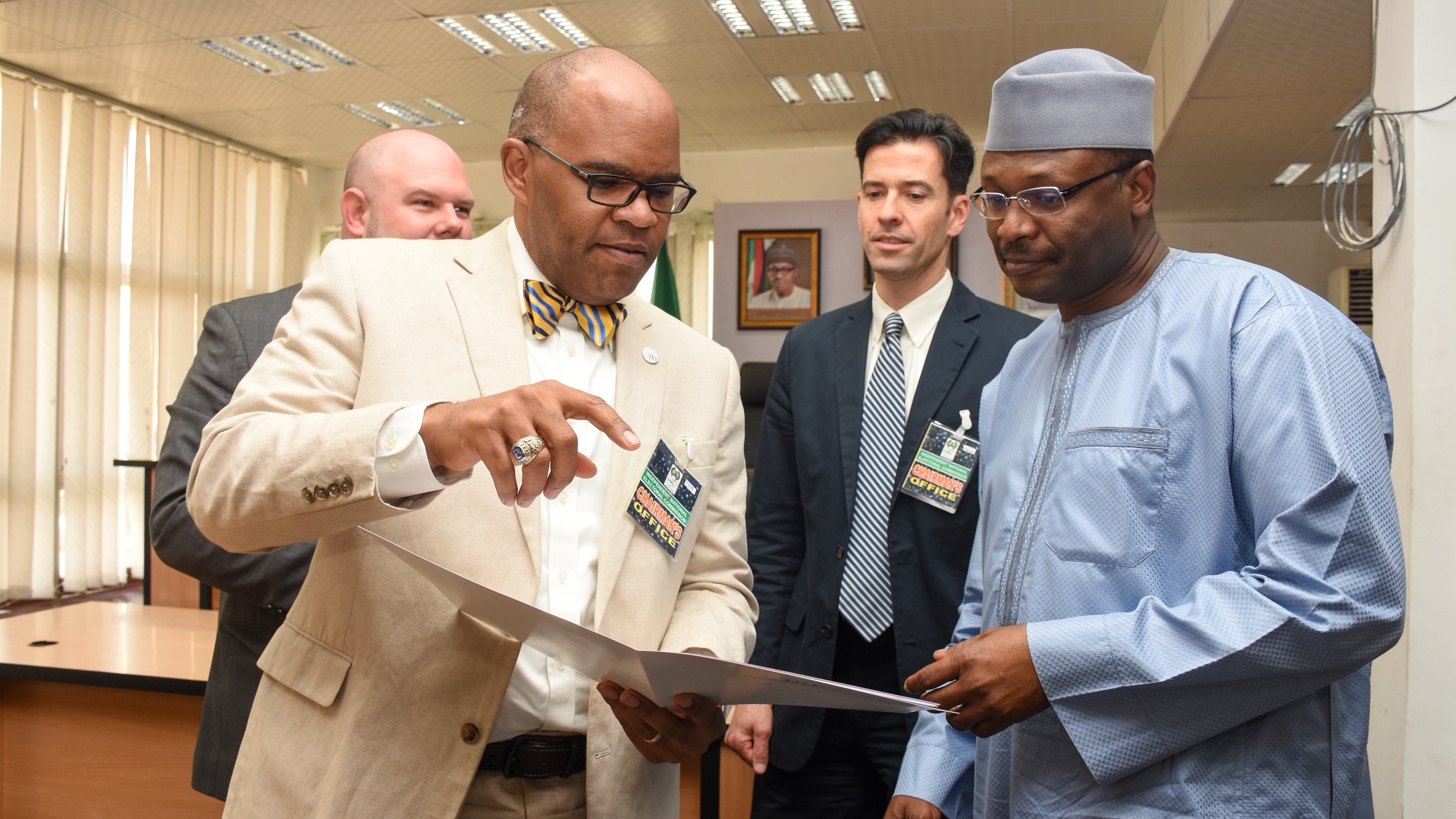
Meeting the Chairman of the electoral management body (INEC) in 2018. With the president of IRI (center) and my former Africa Director (over my shoulder)
Here’s to a safe, free, fair election in Africa’s most populous country and my home for nearly six years.
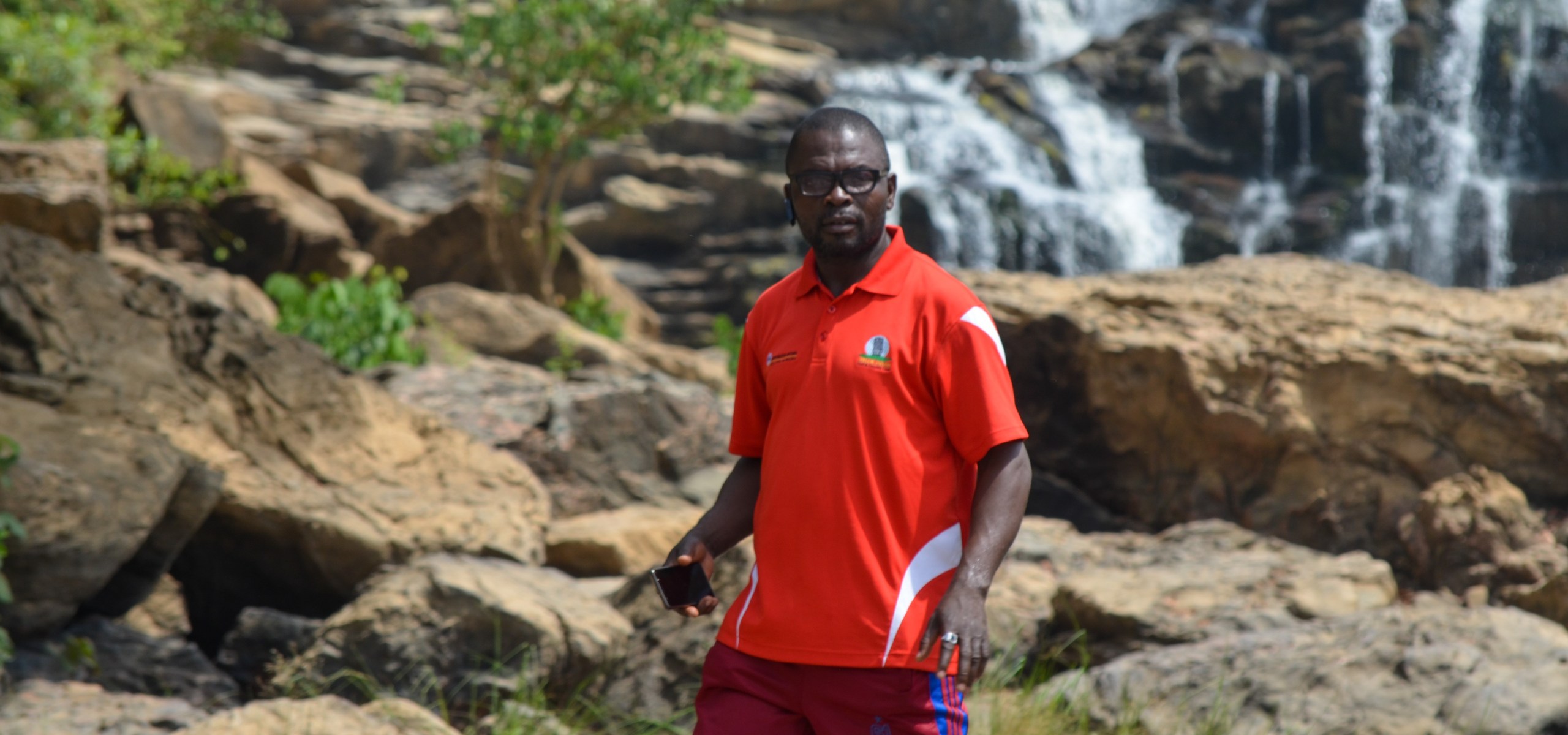
I wrote this blog a few months ago and never posted it. I wrote it after traveling to Nigeria in August 2022. https://fredayinafrica.com/2022/09/24/my-return-to-nigeria/. I was excited to return to Nigeria, two and half years after we departed for South Africa. But I am not sure what I expected when I landed in Abuja. Reading newspaper articles outside of Nigeria painted a picture of a country where passengers on trains were being kidnapped (which is true) and people “snatched up” just walking along the road. While certain areas in the country have faced new security threats or rising insecurity because of kidnapping, cattle raiding, or banditry, Abuja still had the same feeling when I was there in 2019. However, once the plane touched down, I was quickly aware that it was not the same Abuja I left in November 2019. First, a consistent face that always met me at the airport in the many years of departing and arriving in Abuja was not waiting for me on arrival. Daniel Jonah was IRI’s driver for many years and by being IRI’s driver, he became the director’s right hand. He was the first staff person I saw every morning and the last staff person I saw in the evening. He took me all over Nigeria before it became too unsafe to travel by automobile. I met his family, got to know his children, and spent many days providing counsel for issues he was experiencing (and created). He was the office gossip and never missed an opportunity to use the information to gain power in the office. I learned quickly in my tenure that Daniel would share any and all information he had to get a favor. When I was new to Nigeria, I had an incident where I utter something in front of Daniel and was amazed when someone challenged me on what I said.
Most times as the director, I found myself serving as a referee in the office as someone would accuse Daniel of an offense and I would have to intervene. But Daniel was a stable force in my life in Nigeria. Even with his hot-headedness, Daniel was loyal and a very good driver. I can think of numerous occasions where Daniel’s quick thinking saved us from potential harm or removed us from a situation that quickly deteriorated. One occasion that sticks out to me was a day road trip we took to the neighboring state of Kogi. Some political party members had advised us that we could meet their Vice-Presidential candidate if we attended a rally in the state. We drove two hours to Lokoja, the state capital of Kogi to attend the rally. It was a long day and while I was within feet of the Vice-Presidential candidate, we never officially met during that trip. It would be another two years before I met the candidate, who became the Vice President of Nigeria. I just wanted to get back to Abuja. Typically, we didn’t drive between states in the dark. But since we were only two hours away from the capital city, I approved the drive back to Abuja. We encountered an overturned tanker (a fuel truck) along the way. The tanker was blocking both sides of the road and drivers were using a dirt path on the side of the road to clear the wreckage. We didn’t think much about it as we approached the truck and noticed a glowing flame. However, that flame quickly became an explosion that lit up the night sky. The explosion rattled the car’s windows and sent pedestrians walking along the dirt path into a panic looking for shelter. Daniel quickly put the vehicle in reverse, turned around, and headed back down the dirt path. We headed back towards Lokoja until we found ourselves in the Vice President’s motorcade. Our car was a black SUV, so it fit right into the motorcade. Thanks to Daniel’s quick thinking and driving tactics we found ourselves back in the Federal Capital Territory (FCT) in no time.
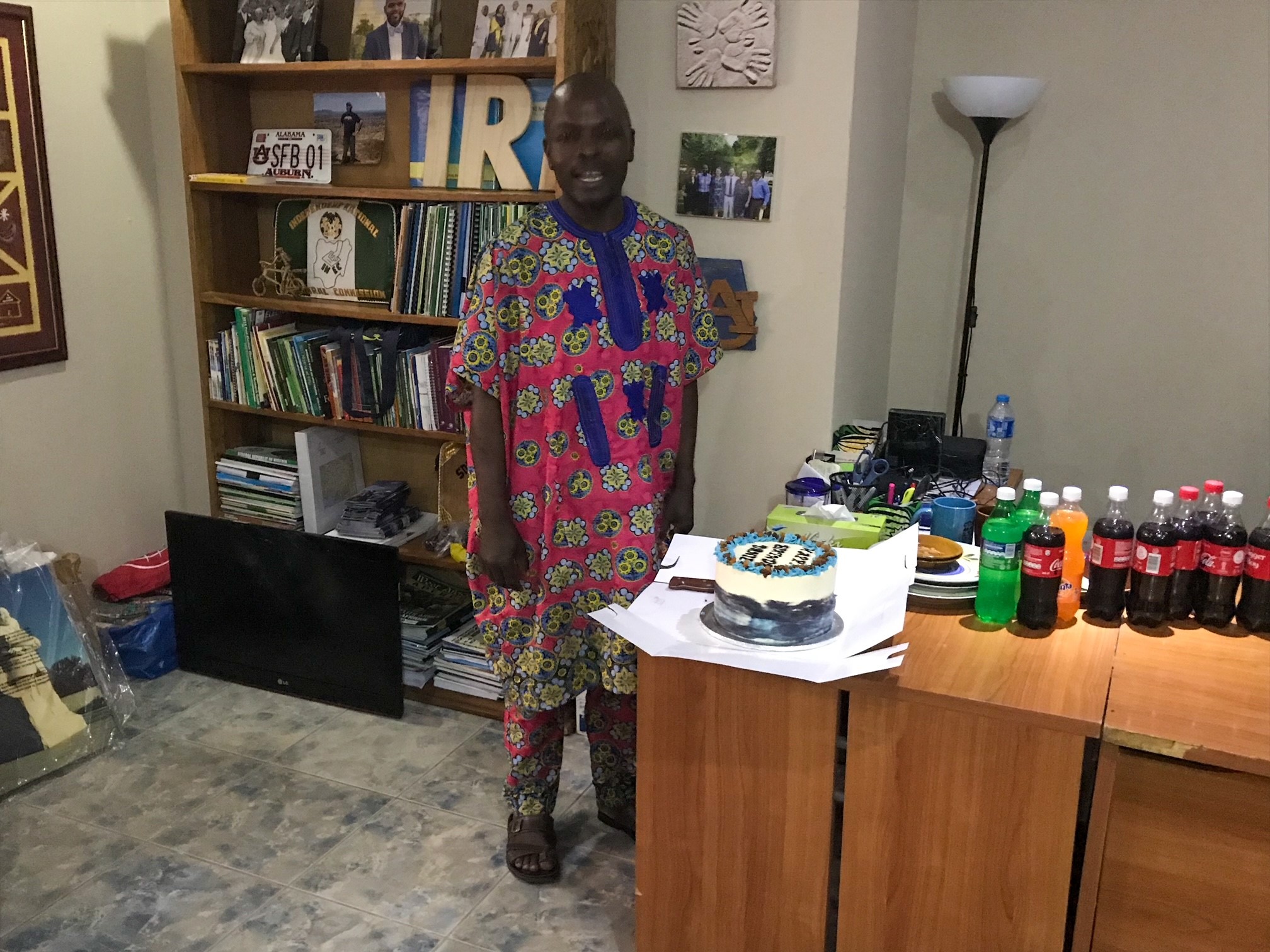

After I left Nigeria, we continued to catch up and stay in touch. The office reduced in size and then COVID-19 brought additional changes. Eventually, Daniel’s position as a driver was no longer needed and he left IRI. One random Friday in July, as I was working remotely from a makeshift desk in my brother-in-law’s apartment, I received a message from a friend in Nigeria informing me he had terrible news. I’m not sure what I expected from this message, but the rest of the message completely ruined my day. He said that he was just informed that Daniel has passed away! I was utterly not prepared for this news! Again, Daniel was such a consistent part of my time in Nigeria that everyone who knew me in Nigeria or had ever visited me in Nigeria knew Daniel! Even to this day, people ask me about Daniel! As I arrived in Nigeria, there was no Daniel to excitedly meet me at the airport and ask me about “Madam.” Instead, a young enterprising man named Prince met me at the airport and whisked me off to the Transcorp Hilton. Now, the Transcorp Hilton is a very interesting place and if you have ever traveled to Abuja, you already know what I am talking about. However, I will save that discussion for a later blog.
 A FREDAY in AFRICA!